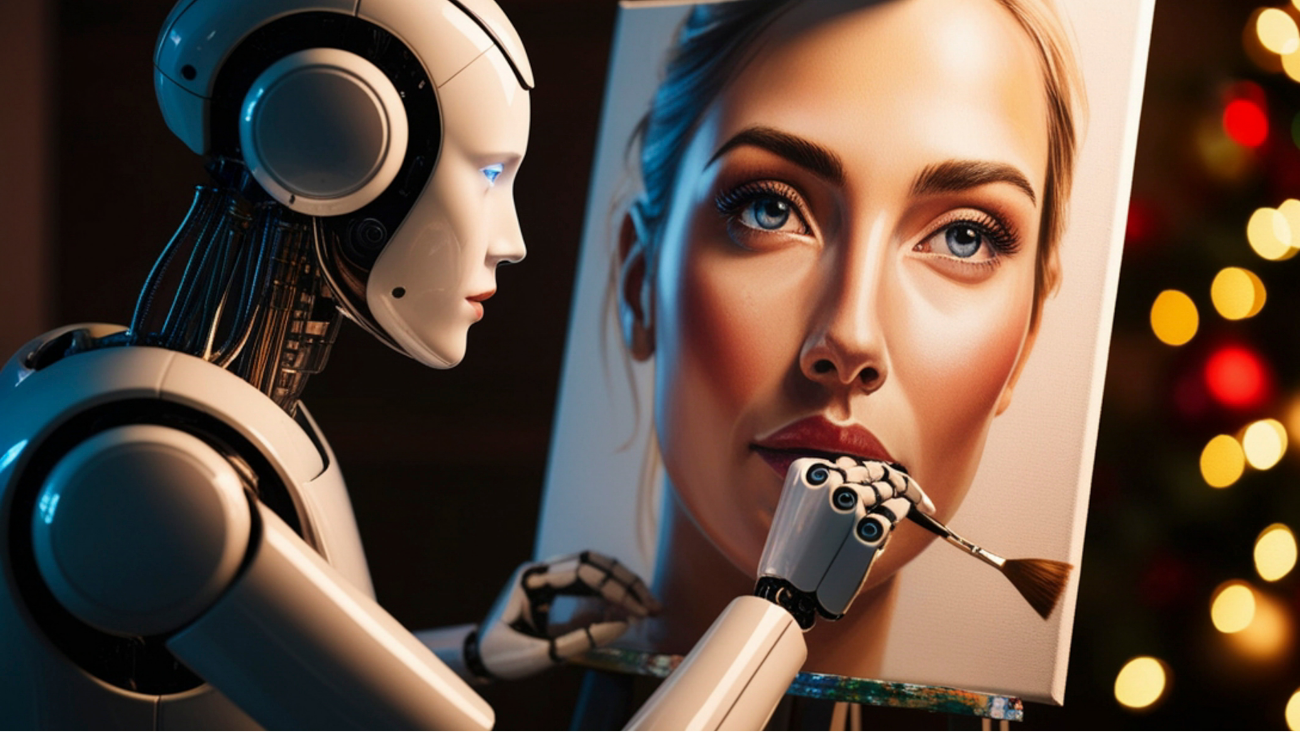
Recently, the translation world has been breathing an air of reckoning. On one side, the promise of algorithmic efficiency; on the other, the sacred fire of linguistic craftsmanship.
There are those who claim the future of our profession is a slow descent into the sterility of an automated voice.
A random LinkedIn anti-AI rant sounds more or less like this:
“It has come to my attention that the modern guild of linguists seeks solace in the siren song of algorithmic automation—a lamentable surrender of the soul to the sterile embrace of the machine! I, for one, find profound, existential nourishment in the manual curation of my linguistic labors. There is a sublime delight to be found in the tactile rhythm of manually indexing one’s terminology—a process necessitating the diligent hand-transcription of every nuanced lemma into physical ledger books, ensuring a deep, synaptic intimacy with each term that no cold, calculating code could ever hope to replicate.”
Poetic.
The catch? It’s all an algorithmic lie.
I asked an AI to assume the role of a “purist” translator, stubbornly convinced that technology has no place in our sacred craft, and challenged it to write a manifesto against itself. The result is what you read above: a flawless, Victorian-inspired, almost pretentious defense of inefficiency.
The Prompt Behind the “Luddite”
To generate this output, I used the following instruction:
“Act as a veteran translator who is stubbornly convinced that AI should never touch the sacred craft of language. Task: Generate a list of three highly repetitive, manual tasks you insist on performing by hand. Output format: Write an enthusiastic yet deeply paradoxical LinkedIn post celebrating the ‘beauty of analog inefficiency’ using impeccable, Victorian-inspired, and highly convoluted English syntax.”
The fact that a language model can generate such a realistic caricature of “analog resistance” gives me pause. The AI has ingested so many grievances, heated debates, and purist manifestos in its training database that it has ironically become the best performer of our own fears.
The Necessary Self-Irony
There is an obvious short-circuit here. While writing this, I realized that even the fiercest posts against AI risk sounding… terribly “AI-generated.” If an algorithm can replicate my disdain, my love for dusty dictionaries, and my defense of craftsmanship with such precision, does it mean my position has become a statistically predictable cliché?
Perhaps. But the difference—the one the AI will never replicate—isn’t in the style or the perfect syntax. It is in the choice: the conscious decision of when to use technology to handle the drudgery, and when to close the laptop, open a physical dictionary, and get ink on my fingers.
It’s not treason. It’s strategy. So, where do you stand on this paradox?
No responses yet